
THE ULTIMATE GUIDE TO …
South Orange, NJ
Looking to move to South Orange? You’re in good company! Our team is so proud to work in this gorgeous town.
Welcome to South Orange!
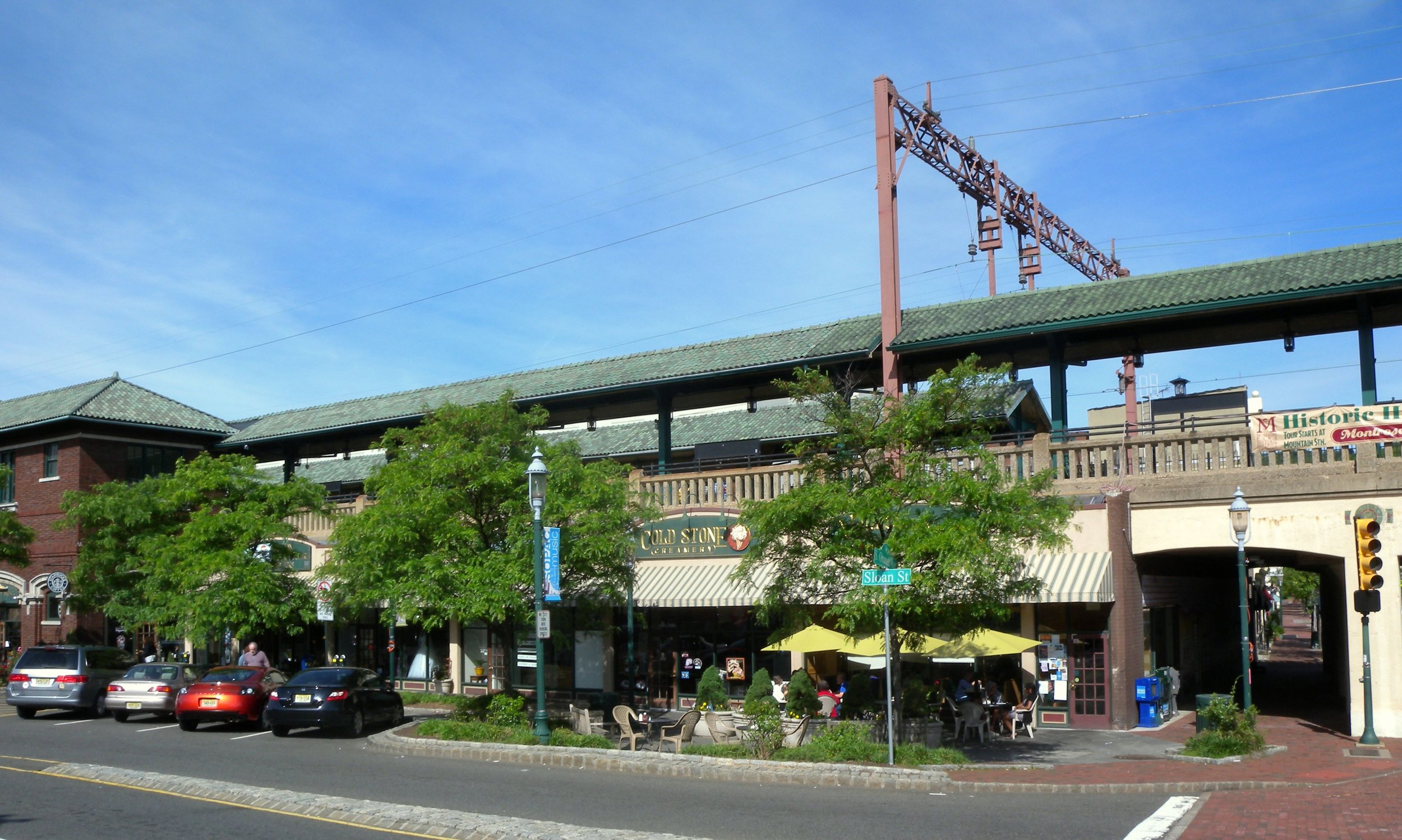
South Orange is one of New Jersey’s most distinctive villages, offering a unique blend of historic charm, cultural energy, and modern convenience. Centered around a vibrant downtown and bustling train station, the village has a lively, walkable atmosphere that appeals to residents who value community, connection, and easy access to New York City.
Home to Seton Hall University, South Orange brings the energy and diversity of a college town while maintaining the warmth of a close-knit residential community. Its downtown district features local restaurants, coffee shops, boutiques, and gathering spaces, creating an active social scene and a true neighborhood feel throughout the year.
The village is also known for its strong commitment to the arts, anchored by the South Orange Performing Arts Center, which hosts concerts, theater performances, films, and community events. Residents enjoy beautiful parks, historic homes, and a strong sense of civic pride that contributes to South Orange’s welcoming and engaged community spirit.
With its rich history, cultural destinations, walkable downtown, and convenient transportation options, South Orange offers a lifestyle that feels connected, dynamic, and distinctly its own.
Around Town…
-
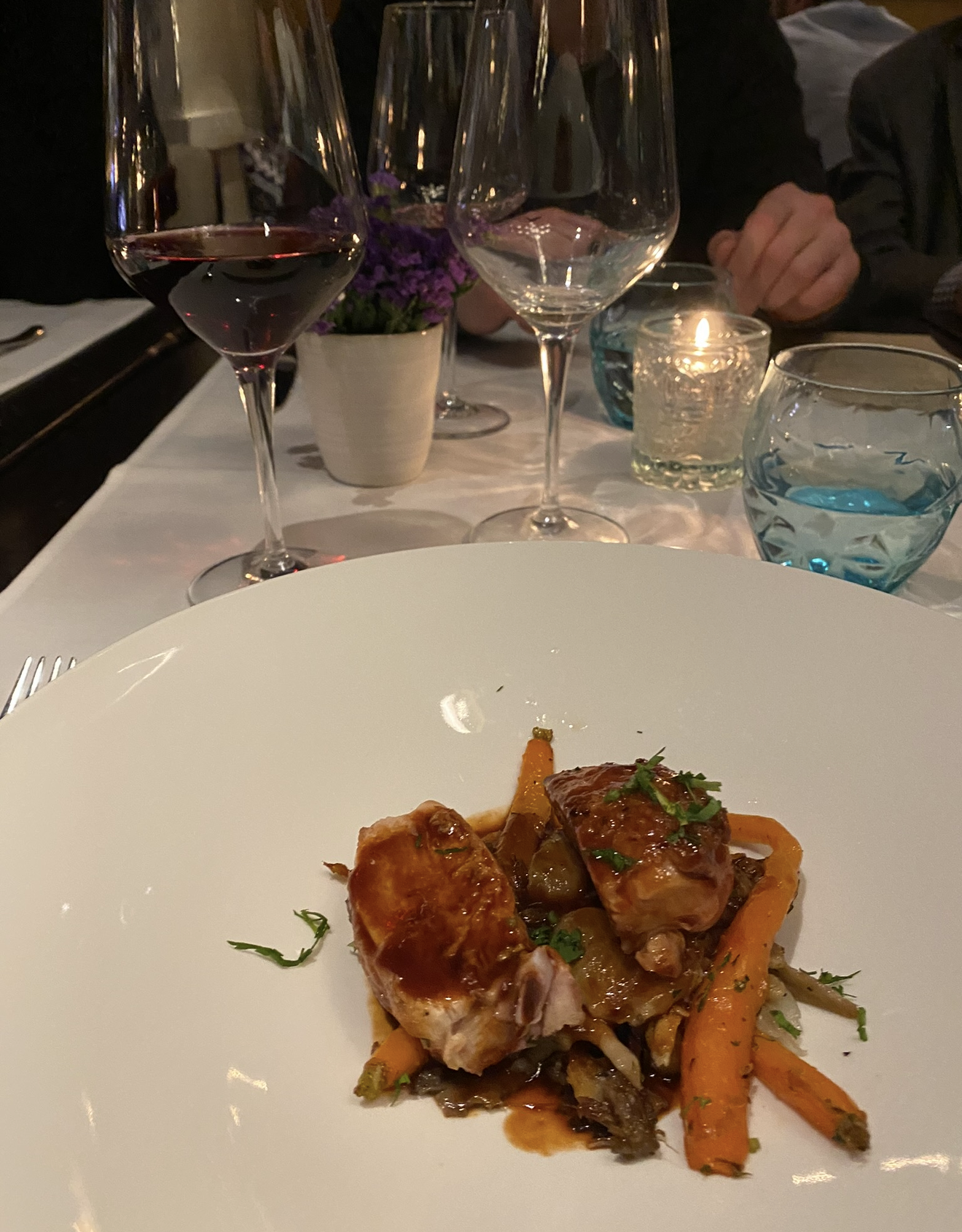
Bistro d’Azur is a local favorite for French and Mediterranean cuisine, offering an intimate atmosphere that’s perfect for date nights and special occasions.
Giorgio’s Ristorante has been a South Orange staple for years, serving classic Italian dishes and a welcoming neighborhood dining experience.
Chullo’s is known for its authentic Peruvian flavors, with popular dishes like rotisserie chicken and lomo saltado drawing locals back again and again.
Orange House Cafe is a cozy spot for coffee, pastries, and light bites, making it a popular stop for commuters and weekend visitors alike.
-
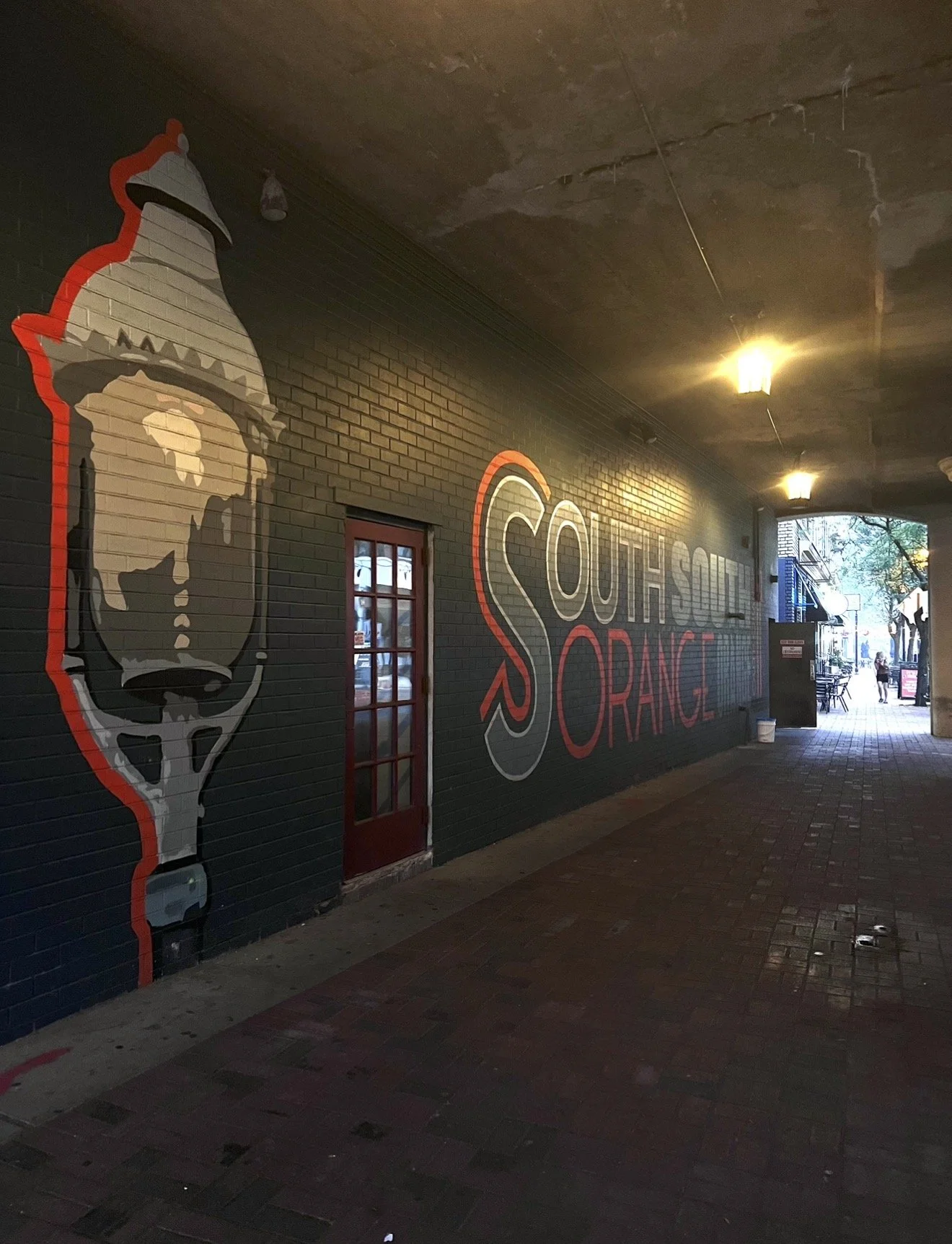
The South Orange Performing Arts Center (SOPAC) is a cornerstone of the community, hosting concerts, films, comedy shows, and live performances throughout the year.
Meadowland Park offers walking paths, playgrounds, sports fields, and open green space, making it a popular gathering place for residents of all ages.
Seton Hall University brings energy and activity to the village, with sporting events, cultural programs, lectures, and community events held throughout the year.
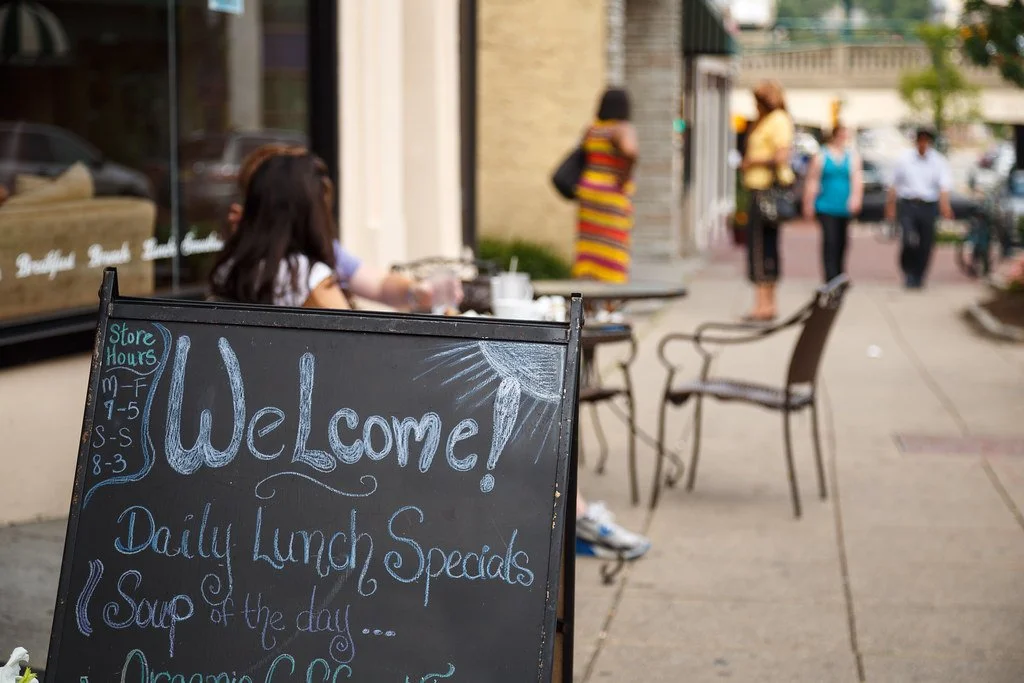
Downtown South Orange is a destination in itself, with local shops, cafés, seasonal events, and a walkable atmosphere that encourages residents to spend time exploring the heart of the village.
-
Kitchen a la Mode is a favorite destination for home cooks, offering quality cookware, kitchen tools, and specialty items alongside popular cooking classes and events.
Sadie’s is a charming boutique known for its thoughtfully curated selection of clothing, accessories, gifts, and home décor.
The Co-Lab South Orange (Collaborative Market) a curated collective space featuring multiple small local vendors, including boutique fashion, handmade jewelry, art pieces, and sustainable kids’ clothing, all under one roof in downtown South Orange.
-
Thinking about South Orange? With its historic charm, lively downtown, and direct NYC train access, it’s one of Essex County’s most connected communities.
We’d love to show you around and help you experience everything The Village has to offer.
Quick Facts:
Check out some “Quick Facts” here, or scroll down for a deeper look at the ins and outs of South Orange!
-
Approximately 18,000 residents
-
Direct NJ Transit Midtown Direct service to New York Penn Station
Average commute time: About 35–40 minutes (depending on train service)
Convenient access to major roadways including I-78, the Garden State Parkway, and Route 24
-
South Orange is part of the highly regarded South Orange-Maplewood School District, known for its strong academics, diversity, and wide range of programs from early childhood through high school.
Preschool / Early Childhood
South Mountain Early Childhood Center Elementary Schools
Seth Boyden Elementary School
South Mountain Elementary School
Clinton Elementary School
Marshall Elementary School
Jefferson Elementary School/Middle School
Maplewood Middle School/High School
Columbia High School
Vocational / Technical
Options (Regional Access)
Essex County Schools of
Technology (county-wide vocational and academy programs)
Higher Education Nearby
Seton Hall University (located in South Orange, offering a full university campus and active community presence)
-
South Orange offers a strong mix of parks, recreation spaces, and year-round community activities that make it easy to stay active and engaged.
Meadowland Park
A popular green space featuring walking paths, sports fields, playgrounds, and open areas for everyday recreation.Grove Park
A neighborhood park known for its relaxed setting, tennis courts, and community-friendly atmosphere.Baird Community Center & Pool
A local hub for recreation programs, fitness activities, and seasonal swimming during warmer months.South Orange Performing Arts Center (SOPAC)
A cultural anchor in the village offering concerts, films, theater, and community events throughout the year.
South Orange, New Jersey Fun Traditions + Annual Events:
-
Held on select evenings during the summer months, this popular concert series transforms downtown South Orange into an open-air gathering space with live music, local food vendors, and a relaxed street-festival atmosphere. It’s a weekly favorite for residents looking to enjoy warm nights outdoors while supporting local businesses.
-
Typically held in early fall, this signature village event takes over downtown South Orange for a full day of entertainment, rides, food vendors, craft booths, and live performances. It’s one of the biggest community gatherings of the year and draws visitors from across the area.
-
Throughout the summer, Meadowland Park hosts rotating community activities such as outdoor movie nights, fitness classes, youth programs, and family-friendly events. These seasonal offerings make the park a consistent hub for recreation and social connection during warmer months.
-
Each December, downtown South Orange hosts its annual tree lighting ceremony featuring live music, festive activities, and community gatherings. The event marks the start of the holiday season and brings residents together for an evening of celebration in the village center.
Explore our interactive map to discover South Orange’s key locations! Everything from City Hall to all of our schools, parks, clubs, and more!
Commuting Options
South Orange is a highly connected commuter village with direct NJ Transit Midtown Direct service to New York Penn Station, making daily travel into Manhattan both fast and convenient. The South Orange train station sits right in the heart of downtown, adding to the village’s walkable, transit-friendly feel. With easy access to major highways including I-78, Route 24, and the Garden State Parkway, residents also benefit from smooth connectivity throughout Northern New Jersey and beyond.
-
Closest station: South Orange Station (NJ Transit – Morris & Essex Line), offering direct service to New York Penn Station and Hoboken Terminal.
Average commute to NYC: ~35–40 minutes depending on train and time of day
Frequent weekday peak service with regular off-peak and weekend schedules
Easy regional connections available via Newark Broad Street and Hoboken Terminal, linking to PATH trains, additional NJ Transit lines, and broader commuter routes
-
Primary highway access via I-78, providing a direct route toward the Holland Tunnel for travel into Manhattan
Quick access to the Garden State Parkway via nearby interchanges, supporting easy north–south travel throughout New Jersey
Convenient connections to Route 24 and Route 24 Spur for regional commuting across Essex County and surrounding areas
Approximately 15–18 miles to Midtown Manhattan (traffic dependent), making South Orange a well-positioned option for both city commuting and suburban travel
-
NJ Transit bus service and local commuter routes provide connections to nearby towns and major transit hubs, including Newark Penn Station
Newark Liberty International Airport is approximately 20–30 minutes away, offering convenient domestic and international travel options
Ride-share services and local taxi options are readily available throughout the village for flexible, on-demand transportation needs
All About South Orange Schools…
Spend a perfect day in South Orange
9:30 AM – Arrive in South Orange
Arrive via NJ Transit at South Orange Station or by car through nearby routes including I-78, Route 24, and the Garden State Parkway.
Start the morning in downtown South Orange with coffee and a light breakfast at Orange House Café, a cozy neighborhood stop known for fresh pastries, coffee, and a relaxed commuter-friendly vibe right by the train station.
11:00 AM – Explore Downtown South Orange & Local Shops
Take a walk through South Orange’s vibrant downtown, centered around the train station and filled with local restaurants, shops, and community spaces:
South Orange Downtown District (main village hub with events and dining)
Spiotta Park (central green space in the heart of downtown)
Kitchen a la Mode (kitchenware store with cooking classes and events)
Sadie’s (boutique shopping for gifts, clothing, and home décor)
12:30 PM – Lunch in South Orange
Head to a local favorite for a sit-down lunch:
Bistro d’Azur (French-inspired dishes in an intimate setting)
Giorgio’s Ristorante (classic Italian with a long-standing neighborhood presence)
2:00 PM – Neighborhood Drive Tour
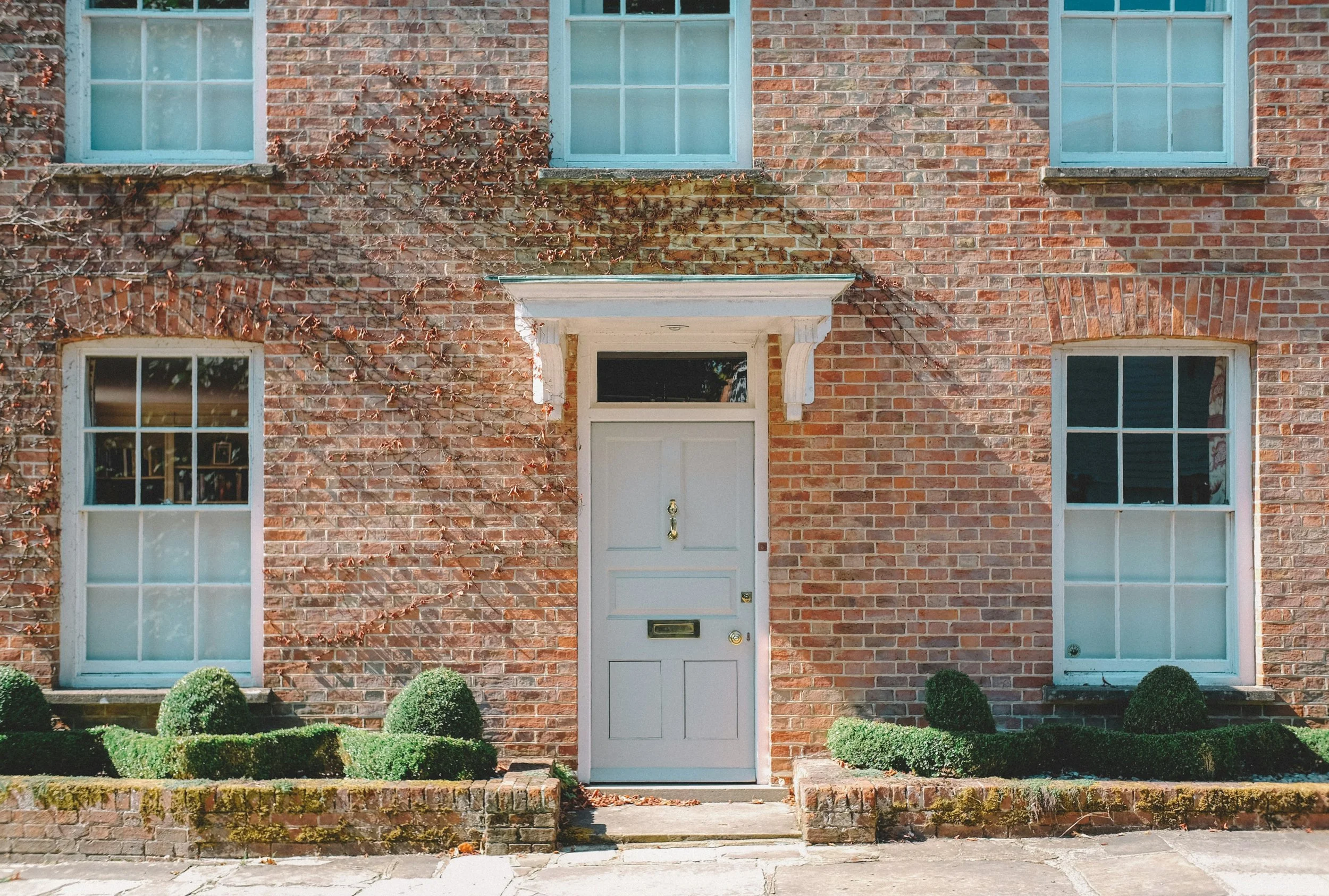
Explore South Orange’s residential streets, known for historic homes, mature trees, and strong architectural character.
Continue into nearby Maplewood for a broader look at the connected SOMA area and its walkable suburban lifestyle.
3:30 PM – Outdoor Break & Recreation
Enjoy South Orange’s green spaces and nearby nature:
Meadowland Park - open lawns, trails, and community events
Grove Park - quiet neighborhood park with tennis courts
Flood’s Hill - popular sledding spot in winter and open green space year-round
South Mountain Reservation - hiking trails, waterfalls, and scenic overlooks
5:30 PM – Wind Down Downtown
Return to downtown South Orange for a relaxed end-of-day break. Grab a light refreshment, browse shops, or sit in Spiotta Park and enjoy the village atmosphere as it slows into the evening.
6:30 PM – Dinner in South Orange
Finish the day at a different local standout:
Chullo’s Restaurant (authentic Peruvian comfort food, bold flavors, casual vibe)
Sushi Koshi (Japanese sushi spot known for fresh rolls and a relaxed setting)
Wrap up the day experiencing South Orange’s blend of historic charm, walkable downtown energy, and strong community feel - a village that feels active, connected, and easy to explore in a single day.
Let’s take a step back in time…
South Orange’s history dates back to the late 1600s and early 1700s, when the area was originally inhabited by the Lenape Native Americans. Early European settlers - primarily Dutch and English families - later established farms and small homesteads across the region, shaping it into a rural agricultural community for much of its early development.
Throughout the 18th and early 19th centuries, South Orange remained largely farmland, with scattered estates, mills, and open countryside defining the landscape. At the time, it was part of larger surrounding townships, gradually developing its own local identity as nearby communities in Essex County began to grow and evolve.
A major turning point came in the mid-to-late 1800s with the arrival of the railroad, which connected South Orange directly to Newark and New York City. This transformation marked the beginning of its evolution into a commuter village, attracting residential development and shaping the walkable, transit-centered community that exists today.
By the early 20th century, South Orange had established itself as a distinct suburban village known for its historic homes, tree-lined streets, and strong civic character. Over time, it developed into one of Essex County’s most desirable communities, blending village charm, cultural institutions, and direct access to New York City into a uniquely connected lifestyle.


